
What I Know About Time
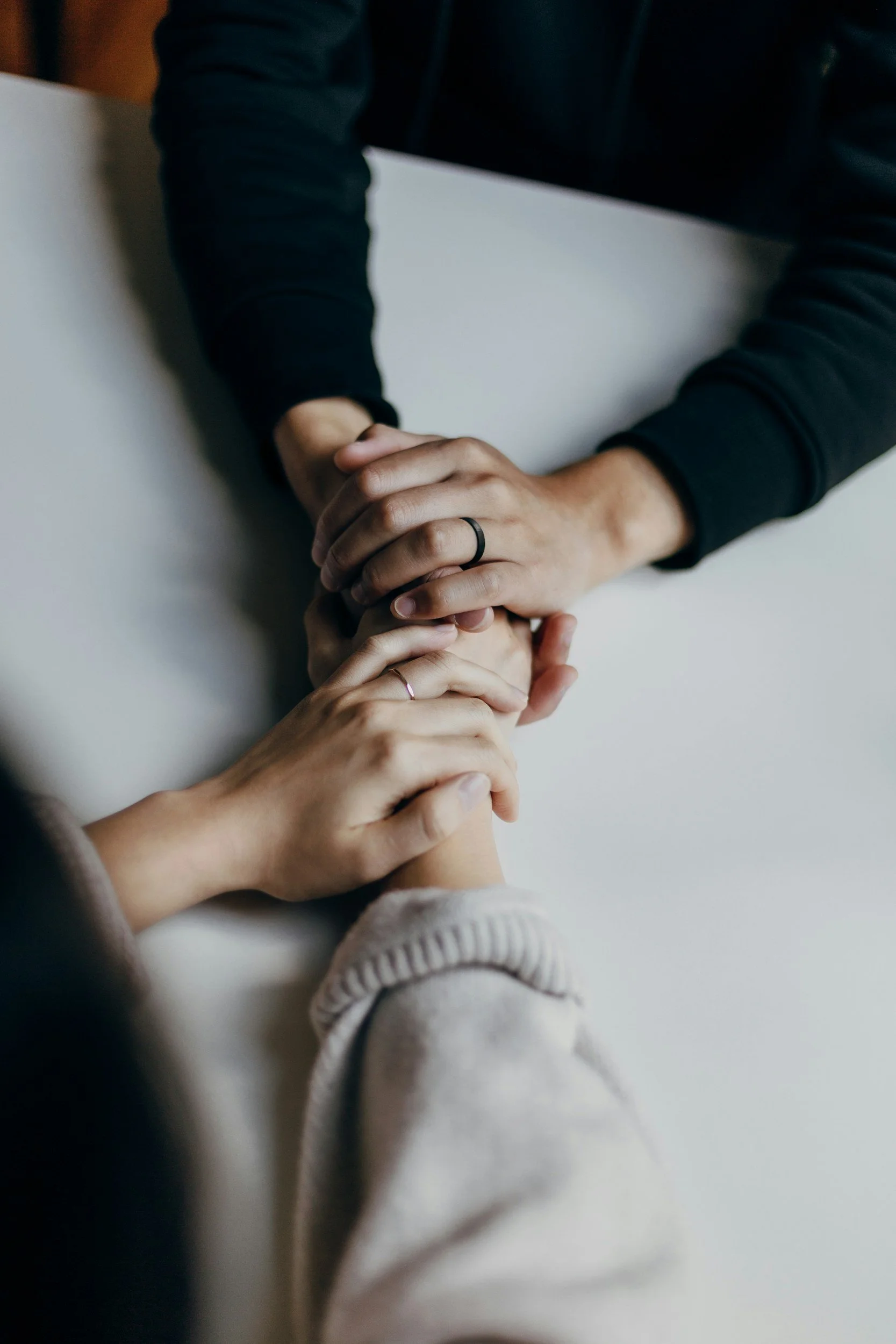
There's something that happens to you when your job is oncology nursing.
It's not what you'd expect. You don't walk around in a low-grade state of dread. You don't become morbid at dinner parties, though you do get very good at quietly clocking who in the room is taking things for granted. You become, over time, a different kind of person — one who has been in enough rooms where the question isn't "what are we doing next month" but "how much time is actually left." It changes how you see the calendar. It changes how you hear the word "someday."
I've been an oncology nurse for 10+ years. I've held space for many loved ones. And the thing I keep coming back to — the thing that doesn't leave me when I clock out — isn't the grief, though that's real. It's the pattern. The remarkably consistent, heartbreaking pattern of what people say when they finally have nothing but time to think about how they've been spending it.
Almost nobody says they wished they'd worked more hours.
Almost nobody says they wished they'd been more careful, more patient, more financially conservative.
But a lot of people — more than you'd think, sitting in those hospital beds — mention the things they kept almost doing. The trips they'd been planning. The friendships they kept meaning to deepen. The places they'd been saving for "when things slowed down a little." The version of themselves they were going to become once the kids were older, once the job leveled off, once the timing finally cooperated.
The timing doesn't cooperate. I don't think I understood that viscerally until I watched enough people figure it out too late.
I want to be clear about something: this is not a grief essay. I'm not trying to make you feel the cold breath of your own mortality on the back of your neck. That's not useful to anyone and it's not what I'm after. What I'm after is the practical thing. The actionable version of what I learned.
“We have less time than we think we do”
And most of us are walking around with a life we fully intended to live, keeping it just slightly out of reach — one more season, one more thing to finish first, one better moment to begin.
That's the pattern. I see it constantly. And I built Gather, in part, as my personal response to it.
The official origin story of Gather is that I couldn't find friends who wanted to do the kind of outdoor stuff I actually love. Not a mild level of outdoor stuff. Real outdoor stuff — terrain that asks something of you, the kind of day where you're tired in a way that actually means something. I kept showing up to it mostly alone, or as the exception in groups that weren't designed with me in mind.
That's true. That's the practical "why."
But underneath it is the other thing. The oncology thing.
I got tired of watching myself do what I watched so many patients do — keep the life I wanted at arm's length for no specific reason. Keep saying "I'll get to it." Keep treating the hard, good things as a reward I hadn't quite earned yet, rather than just the actual shape of a life I was choosing to build.
So I stopped waiting. I went. I kept going. I built a structure so other women could go too, with the right people beside them, in the terrain that actually demands something real.
Gather is application-based. Because if you're the kind of woman who's been doing the hard outdoor stuff mostly alone, you deserve to finally be in a room full of people who are already your people.
The first trip is Death Valley National Park. March 8–11, 2027. Eight to twelve miles a day, real terrain, cold mornings, the kind of stars that stop a conversation cold.
Applications close October 30.
