
The Cruises That Changed My Mind About Cruising
I used to think I'd never go on a cruise.
It wasn’t because of seasickness or buffet lines — the word itself. "Cruise" meant floating past a place instead of actually experiencing it. A rail between you and the ground, a schedule built around ports with duty-free shops instead of tide charts and wildlife. It meant being funneled into tourist traps and with not enough time to go anywhere else.
Then I looked closer at what expedition and small-ship lines are actually building now, and I'm beginning to change my mind.
National Geographic-Lindblad Expeditions was the pioneer of this model. Zodiac landings instead of gangway lines. Naturalists and photographers instead of activity directors. More than 100 itineraries across all seven continents, aboard a fleet built for reach rather than size. The line has been raising money for the places it visits since 1997 — more than $25 million total, with over $19.8 million of that since 2008 through the Lindblad Expeditions-National Geographic Fund, going toward ocean and habitat conservation and environmental stewardship in the regions its ships sail.
HX Expeditions carries the same instinct further — Arctic, Antarctic, Galápagos — on ships like the hybrid-powered MS Roald Amundsen, engineered to cut fuel consumption without cutting the itinerary. The expedition team on board isn't there to narrate. They're there so you come home actually understanding the place — the wildlife, the history, the people who live there — instead of a highlight reel of photo stops.
Explora Journeys and Seabourn take the model in a different direction: fewer landings, more time at sea, and a refusal to be generic in either the food or the itinerary. Explora has cut single-use plastics from its ships entirely and is building its next vessels with Fincantieri using environmental-supporting marine technology, adaptable to alternative energy as it becomes viable. Seabourn's expedition ships, including Seabourn Venture, are built to Polar Class 6 standards and design select itineraries in partnership with UNESCO.
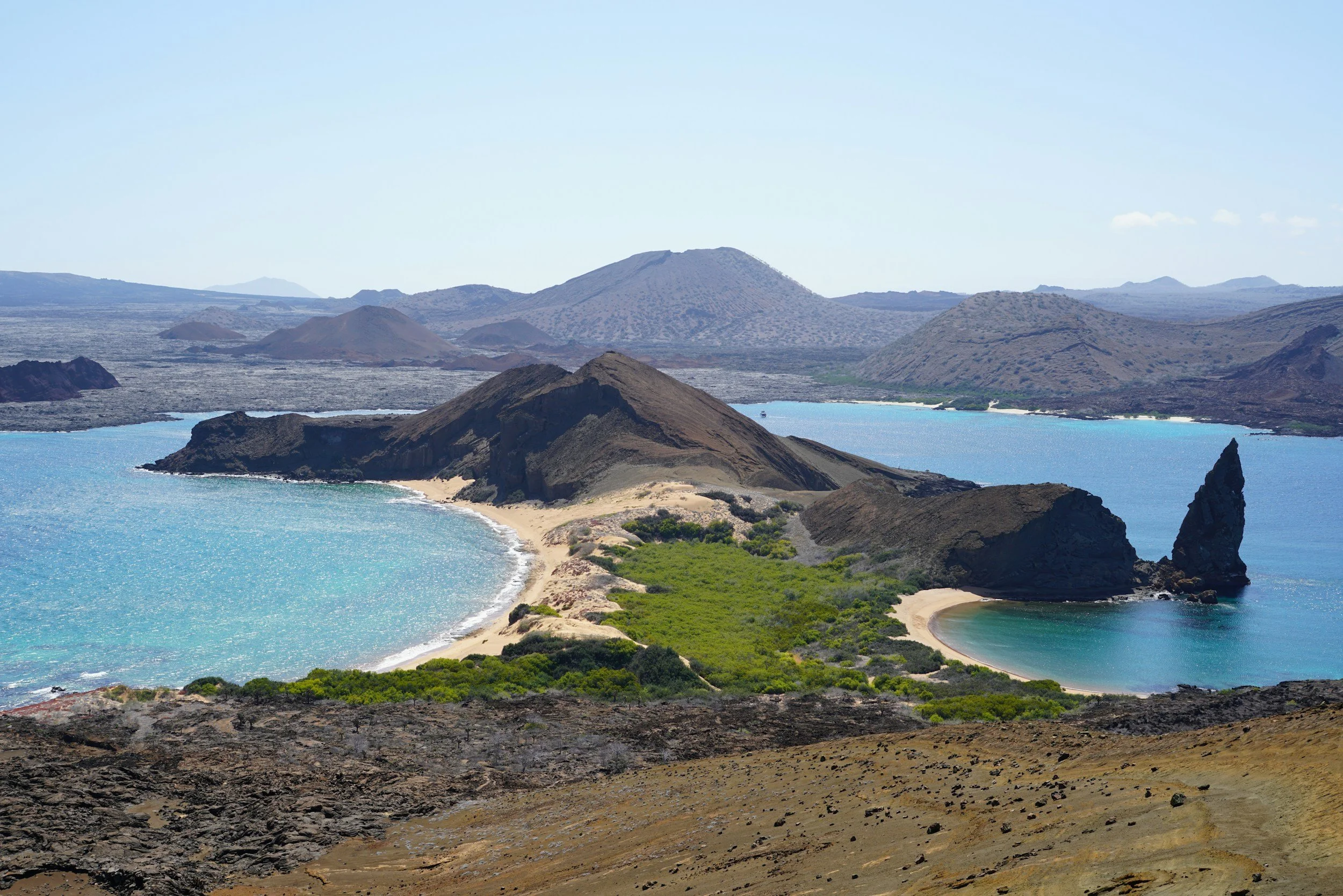
Galapagos
None of these are the cruise I was picturing. What they have in common isn't the size of the ship, it's the reason the ship exists. Real terrain, real landings where landings are possible, and a public accounting of what the company is doing with the water it sails through.
For a longer trip, that's not indulgence. Anyone who's spent a week hiking or diving knows the body needs a day where someone else handles the logistics. These four give you that day without asking you to give up the substance of the destination.
That distinction is the whole reason this list exists. A megaship with a rock wall and a lazy river isn't a smaller version of what these lines do. It's a different category of trip entirely, built around volume instead of place. Zodiac landings run on strict guest caps and naturalist oversight because fewer people on a beach means more attention paid to what's actually living there. The conservation funding isn't a marketing line item either, it's the reason the itinerary looks the way it does in the first place.
Here's the cruise expeditions I'd book now:
Premium: National Geographic-Lindblad Expeditions, HX Expeditions
Deluxe: Explora Journeys, Seabourn
All four are Virtuoso-affiliated, which means booking through GATHER gets you the advisor-level access like upgrades, onboard credit, the fine print handled before you ever board.
Want to go? Let's chat
